

Sacramento River Salmon Fishing Report 8/25/2026 / Sacramento River Salmon Fishing Guides / Best Sacramento River Salmon Fishing Guide / Expert Sacramento Fishing Guides
Salmon fishing on the Sacramento River can feel like two totally different trips depending on the week. One day the river has good color, fish are pushing through, and boats are hooking up. A few days later, warm water, or changing flows can turn the same stretch into a grind.
That’s why a good report matters. Not a vague “they’re biting” report, but a practical look at river conditions, salmon movement, legal updates, and guide strategy. The Sacramento River is a big system, and Chinook salmon don’t spread evenly through it. They move in waves, hold in certain sections, and react fast to temperature, flow, and pressure.
Before anything else, check the current California Department of Fish and Wildlife regulations. Salmon seasons, bag limits, and open areas can change from year to year based on run forecasts and conservation needs. The Pacific Fishery Management Council and NOAA Fisheries also play a role in ocean and inland salmon management.

The Current Sacramento River Salmon Fishing Report
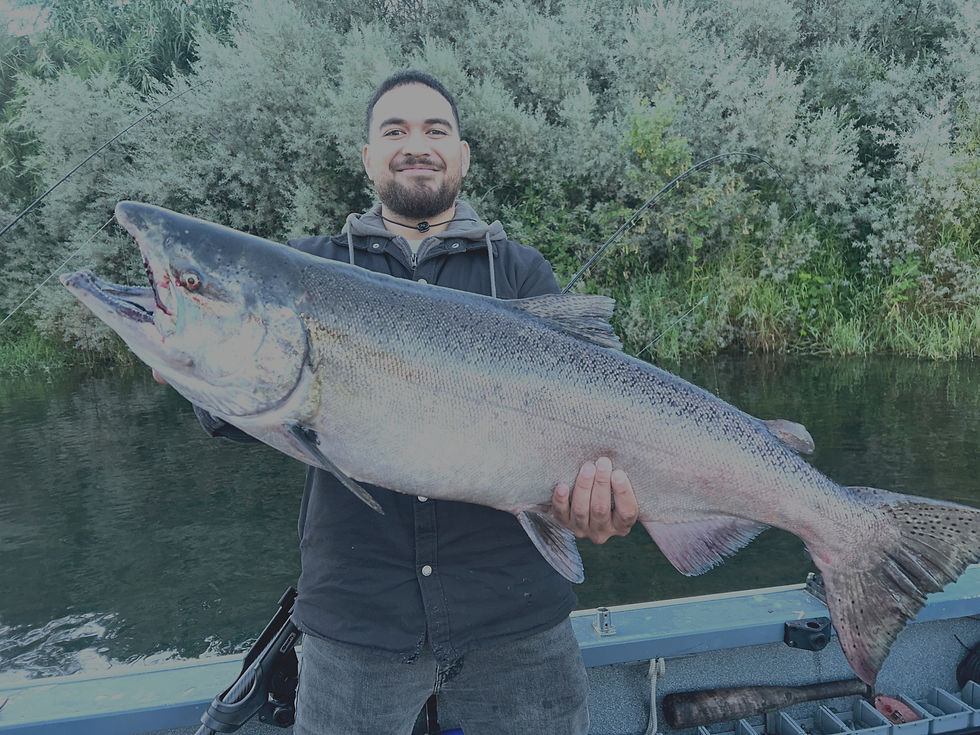
Capt. Brandon Beachum and his clients have been consistently catching salmon on the Sacramento River while backtrolling plugs and drifting roe. Sacramento River salmon have been averaging between 15-30 lbs with several fish over 35lbs boated by our clients on recent salmon fishing trips. We expect great salmon fishing to continue throughout the remainder of the Sacramento River Salmon season.
The Sacramento River is one of California’s most important Chinook salmon rivers. It supports several salmon runs, with the fall-run Chinook historically being the best-known target for anglers. These fish enter from the Pacific, pass through the San Francisco Bay and Delta, then push upstream as fast as they can swim toward spawning areas in the upper Sacramento and tributaries in seek of colder water.
Flows shape where salmon travel up the Sacramento River system
Salmon use current seams, edges, and deeper slots as travel routes. When flows rise, fish may move tighter to structure or slide along softer outside lanes. When flows drop, they often concentrate in deeper channels and known holding water. Sacramento River salmon also tend to push upriver and go off bite during flow drops.
The U.S. Geological Survey tracks river gauges throughout California, and those gauges are worth checking before a trip. You don’t need to be a hydrologist. Just look for big changes. A sharp rise, a sudden drop, or muddy water coming from an upstream weather event can change the bite overnight.
Sacramento River Salmon Guides watch these changes closely because they affect boat control, lure speed, and where fish are likely to pause.

Sacramento River Water Temperature Can Make or Break The Bite
Salmon are cold-water fish. Warm river temperatures add stress, especially during drought years or early-season heat. California fishery managers should pay better attention to temperature because egg survival and adult migration depend on it.
For anglers, cooler water usually means better chances. Early mornings can fish better than the middle of the day when temperatures are up. A small cooling trend, a flow increase from upstream reservoir releases, or the first real fall weather can help get fish moving and biting.
That doesn’t mean salmon bite every time the temperature drops. It means conditions become more favorable.

Sacramento River Clarity Changes Salmon Fishing Presentation
Sacramento River salmon anglers talk about “color” a lot, and for good reason. Water that’s too clear can make fish spooky, especially in pressured areas. Water that’s too muddy can make it harder for fish to find gear.
A light stain is often ideal. In that water, plugs, spinners, roe, and other salmon presentations show up without looking too unnatural.
When clarity changes, good anglers adjust:
In clearer water, they may use more natural colors and lighter weights.
In stained water, they may use brighter colors, bigger profiles, or stronger scent.
In heavy mud, they may move until they find better visibility.

Salmon Fishing Reports Differ Along The Sacramento River
The Sacramento River is long, and reports can vary a lot by section. A hot bite near one city doesn’t mean fish are biting everywhere else. Salmon move upstream in pulses, so location matters.
Here’s a simple way to think about it.
River area | What usually matters most | Common angler focus |
Lower Sacramento and Delta-influenced stretches | Tides, water color, incoming fish, boat traffic | Intercepting fresh fish moving quickly upstream |
Metro and mid-river areas | Travel lanes, pressure, flow changes and water temp | Covering known migration routes |
Upper Sacramento sections | Cooler water, holding fish, river conditions, water temp | Targeting fish that have moved farther upriver |
This is broad, and exact open areas depend on annual regulations. Still, the pattern helps explain why reports can sound inconsistent. One salmon fishing guide may be seeing fresh, bright fish in an upper river section while another is working upriver for fewer but more settled fish.
Lower river reports can change fast
Lower river salmon move through very fast in waves. A push of fish can come through after a tide change, a cooling trend, or better Delta conditions. The lower river also gets very heavy pressure from fishing boats, recreational boaters and sea lions so timing matters. The lower river will always be the least productive section of the Sacramento River for salmon due to lethal water temps, zero fish habitat and excessive boat traffic. Salmon don't want to be there and have to swim as fast as they can in order to survive. Fishing is inconsistent at best and expect many trips in order to be successful.
In these areas, anglers often focus on intercepting fish rather than camping on one spot all day. Boat control becomes a big deal. You’re trying to keep gear in the strike zone long enough for traveling salmon to react.
Mid-river reports often depend on lanes
In mid-river sections, salmon may use specific slots year after year. These aren’t always obvious from the surface. A bend, a depth change, a rock edge, or a soft seam can function like a highway lane.
Experienced guides often know these lanes from repetition. They’ve watched where fish roll, where bites happen, and how different flows shift the productive line by a few feet.
That local detail is hard to learn from a generic report.
Upper River Sacramento River Salmon Fishing Reports
Upper river sections will always see the best salmon fishing on the Sacramento River throughout the system and where the majority of experienced salmon fishing guides are fishing. This is where salmon are headed and will spend their time waiting to push up to their spawning grounds in November. Fresh Sacramento River king salmon are arriving to the upper river adding to the already dense salmon population in the river. Fishing has been great most days with salmon biting on both plugs and roe fished over various techniques.
Always read the current CDFW sport fishing regulations before heading out. Don’t rely only on a prior year’s season, an old forum post, or a friend’s memory.

The Best Sac River Salmon Tactics Match The Mood Of The River
There’s no single magic salmon setup on the Sacramento River. The best method depends on water speed, depth, clarity, boat traffic, and whether fish are fresh movers or holding fish.
That said, several approaches have long histories on the river.
Back-trolling plugs covers holding salmon and moving fish
Back-trolling plugs is a classic Sacramento River technique. The boat moves slowly against the current while plugs work downstream in front of salmon. When done right, the lure stays in a fish’s face long enough to draw a reaction. Salmon don't eat once they enter freshwater so you're always trying to trick them into biting.
This method takes patience and good boat control. Speed matters. Angle matters. Distance behind the boat matters. If the plug isn’t digging correctly, it may pass over fish without working right.
Bright plugs can work in stained water and early mornings. More subtle colors may be better when the river is clear, later in the day or heavily pressured.
Roe can be deadly when fish won't bite lures
Cured salmon roe has caught Sacramento River salmon for generations. Scent can help when visibility is limited or when fish are holding near the bottom. The details matter here too: cure style, bait size, leader length, and drift speed all affect the presentation.
Poorly presented roe doesn’t fish well. It spins, drags, or moves unnaturally. Good roe fishing looks simple, but it takes feel.
Sacramento River Salmon Fishing with Spinners
Spinners can be a strong choice when salmon are moving, and the water has enough visibility. The vibration and flash can trigger reaction strikes, especially in travel lanes or near current edges.
They’re also useful because they cover water. If fish are scattered, a spinner lets an angler search more efficiently than a stationary approach.
Anchor Fishing For Salmon On The Sacramento River
When salmon are traveling a tight lane, anchoring can be effective. The idea is to put gear in the path and wait for fish to come through. This can work well in known migration corridors, but it can also be slow if fish aren’t moving.
Pressure changes this too. In crowded areas, salmon may slide off the obvious path or stop biting as well.

Why Expert Sacramento River Salmon Guides Make's A Difference
A lot of people hire Sacramento River Fishing Guides for many reasons: the river is big, and salmon windows can be short. A guide can’t make fish appear, but a good one improves the odds by making better decisions all day long. They already have all the gear, boat and knowledge from decades of guiding for salmon on the Sacramento River.
That starts before the boat launches.
A serious guide is checking flows, temperature trends, legal updates, recent fish movement, and pressure. On the water, they’re watching rod angle, lure action, current seams, bank activity, and other boats. If something changes, they change with it. A experienced guide sees everything and is always watching the river looking for signs of salmon and consistent travel paths.
Experienced Salmon Fishing Guides know when to stay and when to move
One of the hardest calls in salmon fishing is whether to wait on a proven spot or go find new water. Leaving too early can cost you. Waiting too long can burn the day.
Guides build that judgment through seasons of repetition. They remember how a certain bar fishes at a certain flow. They know which run gets better when the sun hits the water and which one dies after boat traffic picks up.
That doesn’t guarantee limits. It does cut down on guesswork.
Salmon Fishing Gear is already matched to the river
Salmon gear is specialized. Rods need the right action for plugs, bait, or spinners. Reels need smooth drags. Leaders, hooks, weights, and releases all need to match the method.
On a guided trip, that work is usually handled. The gear is rigged for the water being fished that day, not for a general idea of salmon fishing.
That’s especially helpful for visitors or anglers who fish salmon only a few times a year.
Experienced Guides Teach Salmon Anglers
The best guide trips don’t feel like a boat ride where you wait for the rod to fold. They feel like a moving lesson.
The best salmon fishing guides explain why the boat is positioned a certain way, why a plug was changed, why one side of the river looks better, or why a bite likely came from a specific seam. That kind of information helps long after the trip ends.
If you’re choosing a guide, ask practical questions:
Are they a licensed Captain with the US COAST GUARD as required by law, and insured?
Do they provide all the gear and bait?
Do they explain current regulations before fishing?
What section of river do they usually fish?
How do they handle tough bite days?
What should you bring for weather, food, and licensing?
Avoid anyone who promises limits. Salmon fishing doesn’t work that way, especially in years with tighter restrictions or weaker returns. Experienced Salmon fishing guides focus on catching one fish at a time and fish just as hard in the first five min as the last.
How to plan a better Sacramento River salmon trip
The best salmon trips usually come from matching expectations to conditions. Some days are about chasing a strong bite. Other days are about learning water, watching for rolling fish, and putting in clean passes.
Here’s a simple planning approach that keeps the trip grounded.
Check the rules first
Start with CDFW’s current sport fishing regulations. Look for:
Open dates
Open river sections
Daily bag and possession limits
Gear restrictions
California salmon management changes when run forecasts are low or fish need protection. That’s not red tape for the sake of it. Chinook salmon face pressure from Overfishing in the ocean, drought, warm water, habitat loss, ocean conditions, and changing food populations. Regulations help protect future runs.
Watch weather and water together
A cool fall storm can help. A muddy blowout can hurt. A hot spell can slow things down. A flow change can move fish, shut the bite down or scatter them.
Don’t look at weather by itself. Pair it with river gauges and recent reports. If flows are stable, visibility is decent, and temperatures are trending cooler, conditions are usually more promising than during hot, low, clear water.
Bring the right clothing
Sacramento River mornings can be cold, even when afternoons are warm. Layering helps. Rain gear is useful even without rain because boat spray and cold wind can make a long run uncomfortable.
Good basics include:
Fishing license and report card if required
Polarized sunglasses
Warm layers
Rain jacket
Soft-soled shoes or boots
Drinks and food
Cooler for harvested fish
Keep expectations realistic
Salmon fishing is rewarding because it’s not automatic. These are migrating fish, and they’re not feeding in the same way resident trout or bass feed. Many strikes are reaction bites. Some days, everything looks right and the fish still don’t cooperate.
That’s part of the deal.
A strong trip is one where the gear is fishing correctly, the boat is in the right water, regulations are followed, and every chance is handled well. When a fresh Sacramento River Chinook grabs, all that patience makes sense fast.
The takeaway is simple: don’t judge salmon fishing by rumor alone. Check the rules, read the water, follow trustworthy reports, and fish with people who understand the river’s daily changes. The Sacramento can still deliver unforgettable salmon days, but it rewards preparation more than luck.
To book a fully guided Sacramento River salmon fishing trip call or text Capt. Brandon Beachum at 916-289-0432. Experience is what set us apart!


Comments